
Social Media... Beginning of the End?
Two cracks in the foundation that nobody is talking about.
Let's be honest. Social media feels different lately.
Not worse, necessarily. Just different. Like something underneath is shifting.
I think AI is what's doing the shifting. And two specific things it's doing might quietly break what made social media work in the first place.
Why Do We Even Post?
Before we get into the cracks, let's start with the foundation.
We post because people watch.
That's the whole deal. You share a photo, a thought, a story. Somebody sees it. That receipt, that view, that like, signals something back to you. You're single. You're employable. You're funny. You're living. The entire psychology of social media runs on human signal and human response.
Remove the human from that loop, and the incentive starts to wobble.
Crack #1: AI Bots Are Eating the Audience
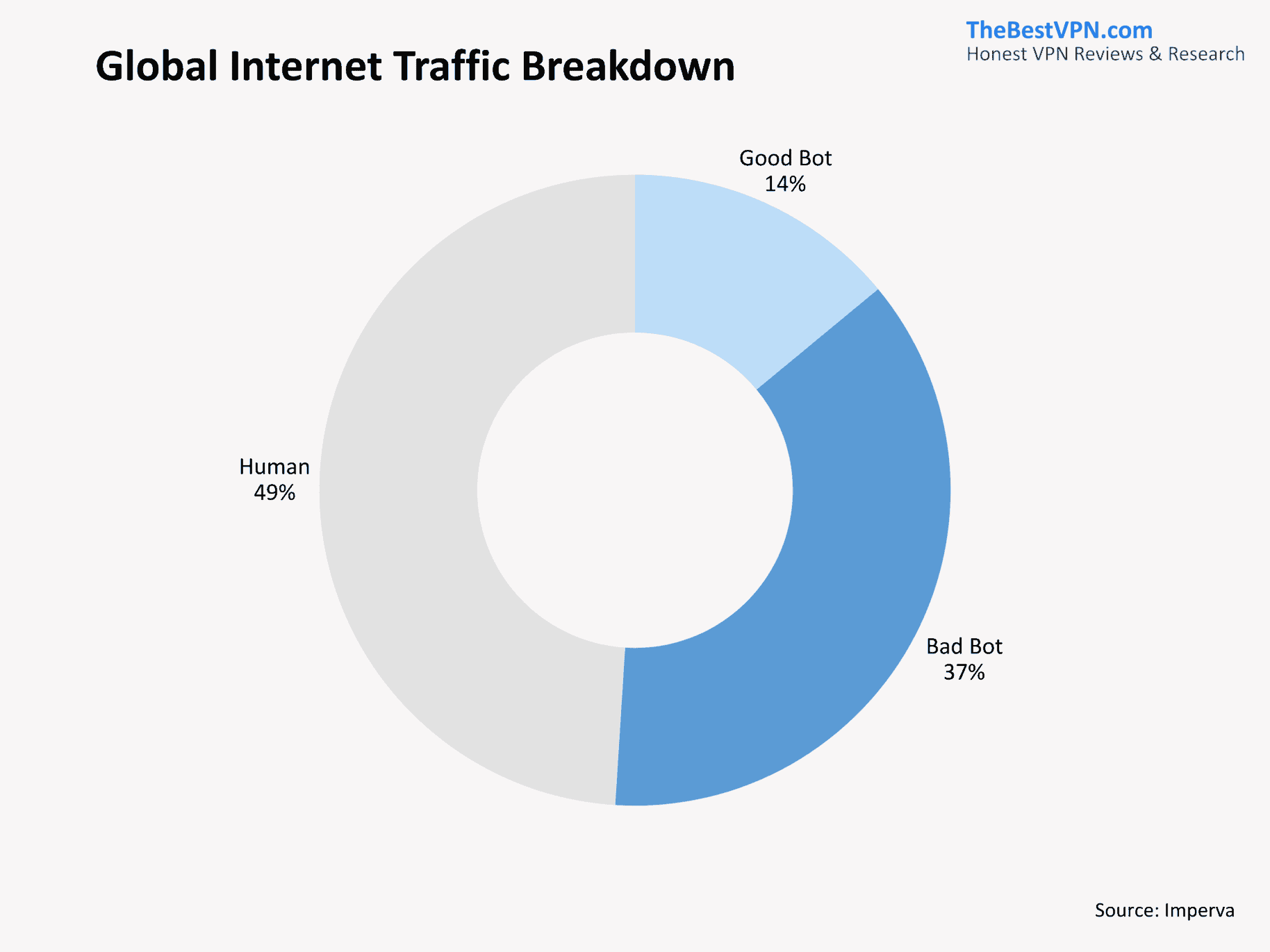
Right now, a growing share of what's consuming content online is bots, scrapers, and AI agents. Automated systems crawling posts, gathering data, processing signals.
That number will grow.
Here's where the crack shows up. If you post and 1 million accounts see it, but only 20,000 of those are actual humans, does the number still mean anything? The metric looks healthy. The reality underneath is different.
This matters because the psychology of posting depends on believing humans received your signal. The moment that belief breaks, the motivation to create erodes with it.
Now, the counterargument deserves air time.
If those 20,000 real humans still see your content, still act on it, still buy, follow, reach out, or share... the incentive survives. The number might be inflated, but the outcome is real. In that case, people will keep posting.
The real question is: what happens when the ratio flips so hard that the human actions get buried? When the signal from actual people becomes impossible to measure inside an ocean of automated engagement?
That's the crack. We're not there yet. But the floor is moving.
Fact, 51% of the internet is bots, according to TheBestVPN.com
Crack #2: Voice AI Breaks the Scroll Habit
Social media runs on a habit loop. You pick up the phone. You open the app. You scroll. You watch. You scroll again.
That loop feels automatic now. And it is. Years of design, notifications, and dopamine have made it nearly unconscious.
AI is about to disrupt the trigger.
As voice-first AI gets better, a chunk of what we currently do on our phones will move to voice. Instead of opening an app to find something, you'll ask. Instead of scrolling for a restaurant, you'll say it out loud.
"Alexa, book me an Uber."
"Find me a good coffee shop nearby."
"Summarize what happened today."
Each one of those used to be a phone-in-hand, app-open interaction. Now it's a sentence to the air.
The habit of opening and watching gets interrupted. And social media platforms live or die by that habit.
So, Is This the End?
Not a clean ending. More like a slow erosion.
Social media doesn't disappear overnight. Humans are still there. Content still reaches people. Platforms still have billions of users.
But the two cracks above point toward the same thing: a gradual hollowing of what made it all work. The human receipt becomes harder to verify. The habit loop gets fractured by voice and ambient AI. And creators, brands, and businesses will start to feel the ground shift under their feet.
The Solution?
The brands that survive this are the ones building something underneath the platform. A direct relationship. An email list. A community. A reputation that doesn't depend on an algorithm to stay alive.
Social media will still matter. For how long, and in what form, that's the open question.
FAQs
Is social media dying because of AI?
Social media is facing structural pressure from AI, specifically around the value of human engagement metrics and changes in how people interact with their phones. The platforms won't disappear, but the way they work, and the reasons people use them, will change.
What is the impact of AI bots on social media engagement?
AI bots inflate engagement numbers and make it harder for creators and brands to measure real human reach. As automated content consumption grows, the ratio of human to bot engagement shifts, which affects how reliable social media metrics are as a signal.
How does voice AI affect social media usage?
Voice-first AI reduces the need to open apps manually. Tasks that used to require picking up a phone and scrolling, like searching for places, booking services, or getting information, move to voice commands. This disrupts the habit loop that social media platforms depend on for daily usage.
Will social media survive AI?
Social media will survive, but the current model of engagement, reach, and influence will evolve. Brands that build direct relationships with audiences, beyond platform dependence, are better positioned for whatever comes next.
Diya | ضياء
P.S. I saw this post:
"The tech investor dropped us because I speak for Palestine." - Tech Startup - [link]
This prompted me to do something. I want to help startups find growth, whether it be in marketing that leads to revenue or clear communications that lead to finding the right investors. Only when we stick together, we can achieve the true potential of the Arab world. This blog is here to help startups. May it find the right people and help them.
From the river to the sea. Justice and Peace.
P.P.S. Marketing Isn't the Problem. Clarity Is. Drop me an email or click "Let's Talk" below. I'll sit with you for 1 hour to simplify your marketing and help you turn your bank account into a money magnet.
